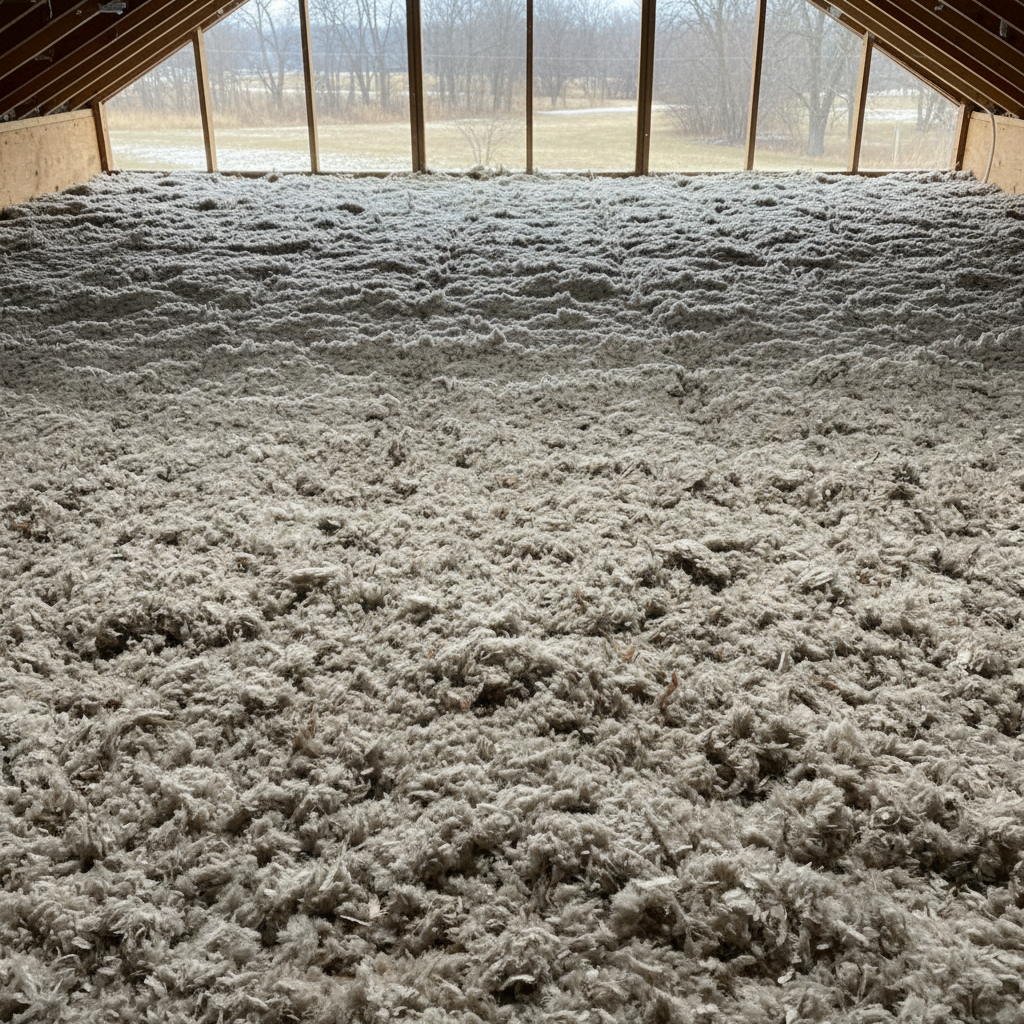
Alright, let's talk attic insulation. This isn't just about keeping warm or cool, you know; it's really about making your home work smarter and saving some actual money on those utility bills. A lot of folks in Wheaton, especially in some of those older homes around the college, have attics that are just bleeding energy. You definitely don't want that.
Before You Even Think About Insulation
First things first: safety. Your attic can be a dangerous place. Before you do anything, make sure you've got good lighting. Headlamps are your friend here. Watch your step – you really don't want to fall through the ceiling. Stick to the joists! If you're unsure where they are, lay down some plywood sheets to create a safe walkway. Always wear a good quality respirator, gloves, and long sleeves. You'll stir up a lot of dust and possibly old insulation fibers, and you don't want to breathe that stuff in or get it on your skin.
Next, you need to figure out what's already up there. What kind of insulation is it? How much? Is it wet, moldy, or full of critter droppings? If it's compromised, you might be looking at an insulation removal job before you can even think about adding new material. That's usually a job for pros like us at Elite Insulation Company, especially if there's mold or extensive contamination. You don't want to mess with that yourself.
Also, check for air leaks. Insulation slows heat transfer, but it doesn't stop air movement. You need to seal up any gaps or cracks where air can sneak in or out. Look around vent pipes, electrical wires, plumbing stacks, and the attic hatch. Use caulk for smaller gaps and expanding foam for larger ones. Don't forget to seal around recessed light fixtures – those are notorious for letting air right through. This air sealing step is crucial, and it's something many homeowners can tackle themselves with a little patience.
During the Project: DIY vs. Pro
So, you've assessed your attic, sealed the leaks, and it's clean. Now what?
- Adding to Existing Insulation: If your current insulation is in good shape but just not thick enough, adding more on top is often a DIY-friendly project. For example, if you've got old fiberglass batts and want to add blown-in cellulose or fiberglass, you can rent a blower from a local hardware store. It's dusty, but it's manageable. Just make sure you're adding enough to meet current R-value recommendations for our climate – around R-49 to R-60 is what we typically aim for in Wheaton.
- Starting from Scratch: If you're removing all the old stuff or insulating a brand new attic, it gets a bit more involved. Laying down new batts can be done by a homeowner, but it's tedious work to get it right without gaps or compression. Blown-in insulation is usually more effective for a complete overhaul because it fills all the nooks and crannies better.
- Spray Foam: This is almost always a job for the pros. Spray foam requires specialized equipment, training, and safety gear. It expands and cures quickly, and if you mess it up, it's a huge headache to fix. Don't try this one yourself.
One thing many folks forget when adding insulation is to maintain proper ventilation. Don't block your soffit vents with insulation. You need those air channels for your attic to breathe, especially with our humid summers and cold winters. Use baffles to keep the insulation away from the eaves.
After the Insulation is In
Once the insulation is installed, take a moment to admire your handiwork (or ours!). You should notice a difference pretty quickly. Your home will feel more comfortable, with fewer drafts and more consistent temperatures. That furnace or AC won't be running constantly, which is where those energy savings really kick in.
Keep an eye on your energy bills over the next few months. You should see a noticeable drop. If you don't, or if you still feel uncomfortable, it might be worth having a professional energy audit. Sometimes there are other issues at play, like leaky windows or poor wall insulation, that the attic alone just can't fix.
Finally, do a periodic check-up on your attic. Every year or two, peek up there. Look for any signs of water leaks, pest activity, or displaced insulation. Catching problems early can save you a lot of grief and money down the road. It's an investment, and like any investment, it needs a little care to keep paying off.