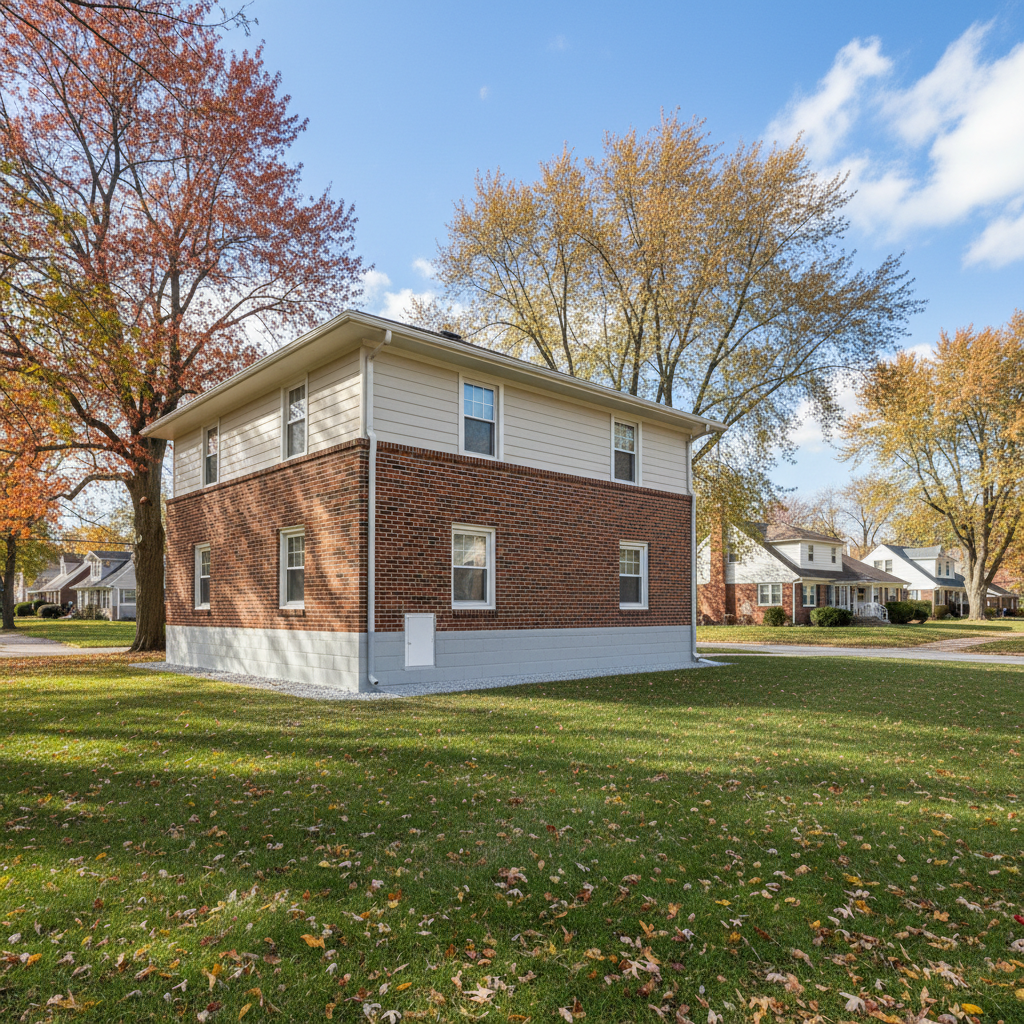
Your basement. Is it just a cold, damp dungeon you only go into for laundry or storage? Or maybe it's a finished living space that still feels colder than the rest of your place? Either way, if you haven't really thought about insulating it, you're probably losing money and just plain uncomfortable.
I've been working on homes all over Wheaton for years now, from those older Victorians downtown to the newer builds out by Seven Gables. One thing I constantly see? Basements that are either poorly insulated or, often, not insulated at all. People tend to focus on attics and walls, which is smart, but they totally forget about the ground floor. That's a real mistake, especially with our Illinois winters and those humid summers we get.
Why Even Bother Insulating Your Basement?
It's not just about keeping your feet warm in the winter, though that's a pretty nice bonus. There are a few really big reasons to get this project done:
- Energy Savings: This is probably the biggest one, honestly. Your basement walls are constantly losing or gaining heat from the ground outside. In winter, that cold earth just sucks heat right out of your house. Come summer, it can bring in moisture and coolness, but also a lot of humidity. Good insulation acts like a barrier, keeping your conditioned air inside and those outside temperatures out. This means your furnace and AC won't have to work nearly as hard, and your energy bills will drop. We're talking some serious savings over time, you know?
- Comfort: A basement that's insulated properly just feels better. No more cold spots, no more clammy air. If you've got a finished basement, this is absolutely critical for making it a truly usable living space. Even if it's unfinished, it still impacts the floors right above it.
- Moisture Control: This is huge in our neck of the woods. Wheaton often gets a lot of moisture, especially after those heavy spring rains. Basements are naturally prone to dampness. Insulation, especially the right kind, can help manage moisture, cut down on condensation, and even keep mold from growing. It's not a waterproofing solution, don't get me wrong, but it's a really important part of keeping your basement healthy.
- Noise Reduction: It's a secondary benefit, sure, but insulation can help quiet things down by dampening sound transmission.
What Kind of Insulation Works Best Down There?
This isn't a one-size-fits-all kind of deal. The best approach really depends on your basement's current condition, whether it's finished or unfinished, and, of course, your budget. Here's what I usually recommend and why:
- Rigid Foam Boards: These are fantastic for basement walls. They give you a high R-value per inch, they resist moisture, and they don't provide any food source for mold. We often put them right against the concrete walls, then build a framed wall in front if you're planning to finish the space. They work as both a thermal break and a vapor barrier all at once.
- Spray Foam: For an airtight seal and excellent R-value, closed-cell spray foam is pretty tough to beat. It sticks right to the concrete, filling every tiny crack and crevice. It costs more upfront, but the performance is top-notch, especially for moisture control and air sealing. It's also a great choice for rim joists, which are notorious for air leaks.
- Batt Insulation (Fiberglass or Mineral Wool): You can use batts in framed walls in a finished basement, but you absolutely, positively need a vapor barrier between the batt and the concrete wall. You don't want batts getting wet or trapping moisture against the concrete — that's just asking for mold. Mineral wool is a bit more moisture-resistant than fiberglass, which is definitely a plus for basements.
One thing I always, always stress: you need to take care of any major water issues *before* you insulate. If you've got leaks or serious dampness, insulation won't fix that; it'll just hide the problem and probably make things worse. Get those foundation cracks sealed up, make sure your gutters are working right, and check that the grading around your house directs water away from the foundation. We've seen homes in older Wheaton neighborhoods, like those charming bungalows near the college, where foundation issues are pretty common. You can't just slap insulation over a problem, can you?
The Rim Joist: Don't Forget It!
This is a major culprit for air leakage and heat loss in many homes, especially older ones. The rim joist is that band of wood around the edge of your house, right where your foundation meets your first floor. It's often poorly sealed or just not insulated. Cold air seeps in here, and warm air escapes. Insulating and air sealing the rim joist area with spray foam or rigid foam is one of the most cost-effective improvements you can make for basement comfort and energy efficiency, hands down.
Why Local Expertise Matters for Basement Insulation
You might think insulation is just insulation, but local conditions really play a huge role. We deal with specific soil types here in Wheaton – often clay-heavy, which holds moisture. We have freeze-thaw cycles that can impact foundations. And we have a real mix of housing stock, from century-old homes to brand-new construction, each with its own quirks and challenges.
A contractor who understands these local nuances, who knows the common construction methods used in different Wheaton neighborhoods, is just going to do a better job. They'll know what kind of vapor barriers are needed, how to deal with the inevitable radon mitigation systems you might find, and the best products for our climate. We're not just selling insulation; we're providing solutions tailored to your home and our local environment.
At Elite Insulation Company, we've helped countless Wheaton homeowners make their basements more comfortable and energy-efficient. It's a smart investment that really pays off in comfort and savings. Don't let your basement be an energy drain any longer.