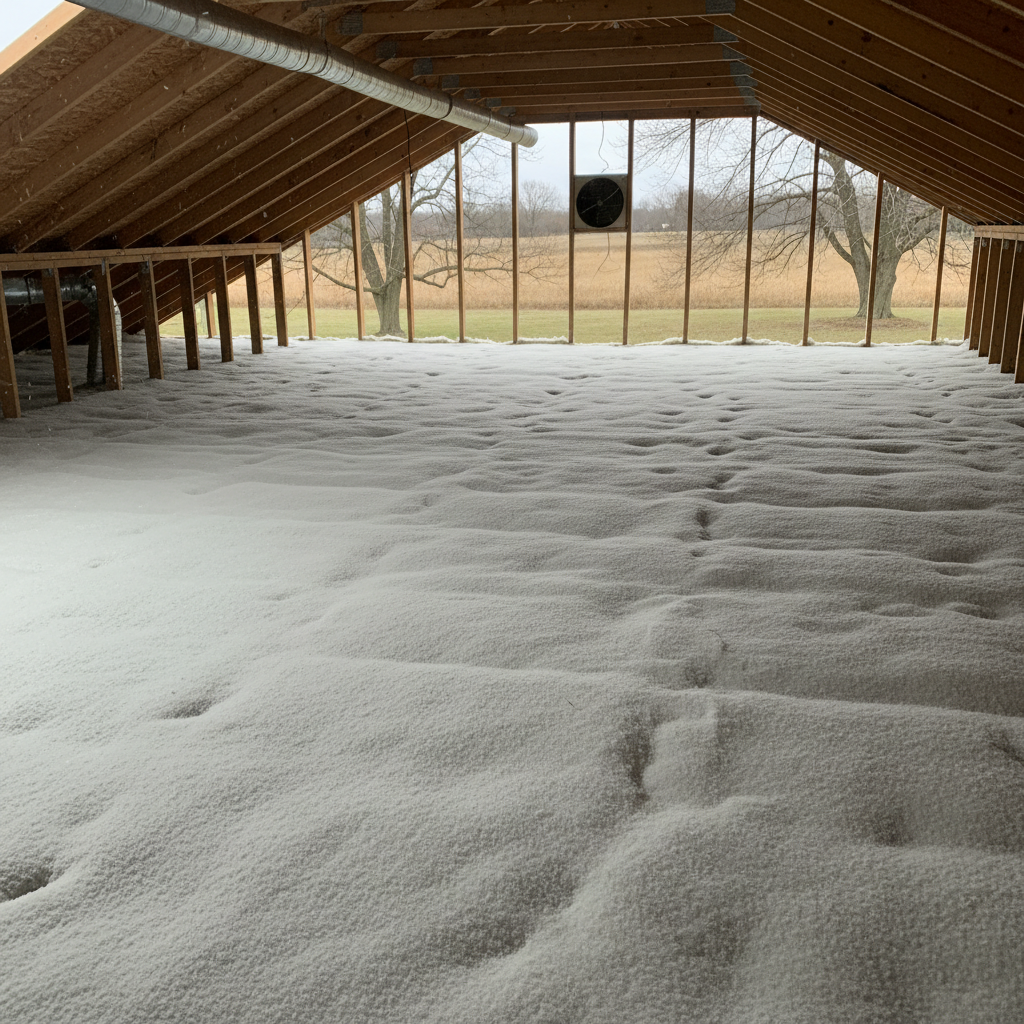
So, you’ve got blown-in insulation in your attic, walls, or maybe even your crawl space. Nice! It’s truly one of the smartest things you can do for comfort and to save on energy, especially with our crazy Illinois weather – those brutal winters and steamy summers really test a home’s limits. But just like anything else around the house, it’s not a “set it and forget it” kind of deal. A little bit of attention really goes a long way in making sure that insulation keeps doing its job for decades.
Extending the Life of Your Blown-In Insulation
The good news is, blown-in insulation, whether it’s cellulose or fiberglass, is pretty tough stuff. It’s built to last a long time, often 20-30 years or even more, if it was installed correctly and then mostly left alone. The biggest thing you can do to make it last longer? Just leave it be. Seriously. Don't go compacting it, moving it around for no reason, or stacking heavy boxes on top of it. That fluffy, airy structure is what traps the air and makes it such a good insulator. If you crush it down, you lose a lot of its R-value, and that’s no good.
Another big one is keeping it dry. Moisture is insulation’s worst enemy. If you’ve got a leaky roof, a plumbing problem in your attic, or even just really bad ventilation causing condensation, that water will soak right into the insulation. Wet insulation doesn't insulate worth a darn, and it can quickly lead to mold and mildew. So, fix any leaks fast. And make sure your attic ventilation is up to snuff – that means proper soffit and ridge vents working together, which is super important in older homes around the North Side of Wheaton with those classic gable vents that often don't quite cut it.
Regular Check-Ups: What to Look For
You don't need to be up in your attic every single month, but a yearly or bi-yearly check, maybe in the spring and fall, is a smart move. Here's what I tell folks to look for:
- Even Coverage: Take a peek. Does the insulation look spread out evenly? Are there any bare spots or areas where it seems significantly thinner? Sometimes, during other home repairs, insulation can get shifted or compressed, you know?
- Moisture Stains: This is a huge red flag. Any discoloration, dark spots, or dampness on the insulation itself or on the ceiling joists above it means you've got a water problem that needs immediate attention.
- Pest Activity: Critters just love a warm, cozy attic. Look for nests, droppings, tunnels, or insulation that looks disturbed. Mice, squirrels, raccoons – they can all make a mess and compact insulation, not to mention the health risks they bring. If you see signs of pests, you'll need to deal with them and then likely clean up and potentially replace the affected insulation.
- Ventilation Obstructions: Make sure your soffit vents aren't blocked by insulation. You absolutely need those air channels clear for proper airflow. If you've got baffles installed, check that they're still in place and doing their job.
- Compaction: As I mentioned, don't crush it. If you see areas that look flattened, that's a problem. This often happens in high-traffic areas or where storage has been placed directly on the insulation.
Warning Signs of Bigger Problems
Your house will definitely tell you when something's not right. Don't ignore these signals:
- Drafts: Feeling cold spots or drafts, especially near walls or ceilings, even when your windows are closed? Your insulation might be settled, shifted, or just not working right.
- Spiking Energy Bills: If your heating or cooling bills suddenly jump without a change in how you’re using things or a shift in the weather, insulation is often a prime suspect. It means your home is losing conditioned air faster than it should.
- Uneven Temperatures: Are some rooms noticeably colder or hotter than others? This can point to inconsistent insulation coverage.
- Ice Dams: This is a classic Illinois winter problem, isn’t it? If you're getting big icicles and ridges of ice forming along your roof’s eaves, it’s a strong sign of heat escaping from your attic, melting snow, and then refreezing. Poor attic insulation and ventilation are usually the culprits.
When to Call a Professional
Look, I'm a big believer in DIY when it makes sense. But some things are just best left to the pros. You should definitely call someone like us at Elite Insulation Company if:
- You find significant water damage or mold. That's not just an insulation problem; it's a structural and health issue.
- You have an active pest infestation. Get the pests out first, then we can assess the damage and clean up.
- Your insulation is severely compacted or missing in large areas. We can add more blown-in insulation to bring it back up to spec, or even remove and replace it if necessary.
- You're experiencing persistent drafts, high energy bills, or ice dams, and you just can't pinpoint the cause. We've got the tools and experience to do a thorough inspection and tell you exactly what's going on.
- You're planning major renovations. It's often the best time to address insulation issues while walls or ceilings are open.
Don't wait until your heating bill is through the roof or you're shivering indoors. A little proactive care and knowing when to call for help will keep your blown-in insulation working hard for your Wheaton home for years to come.