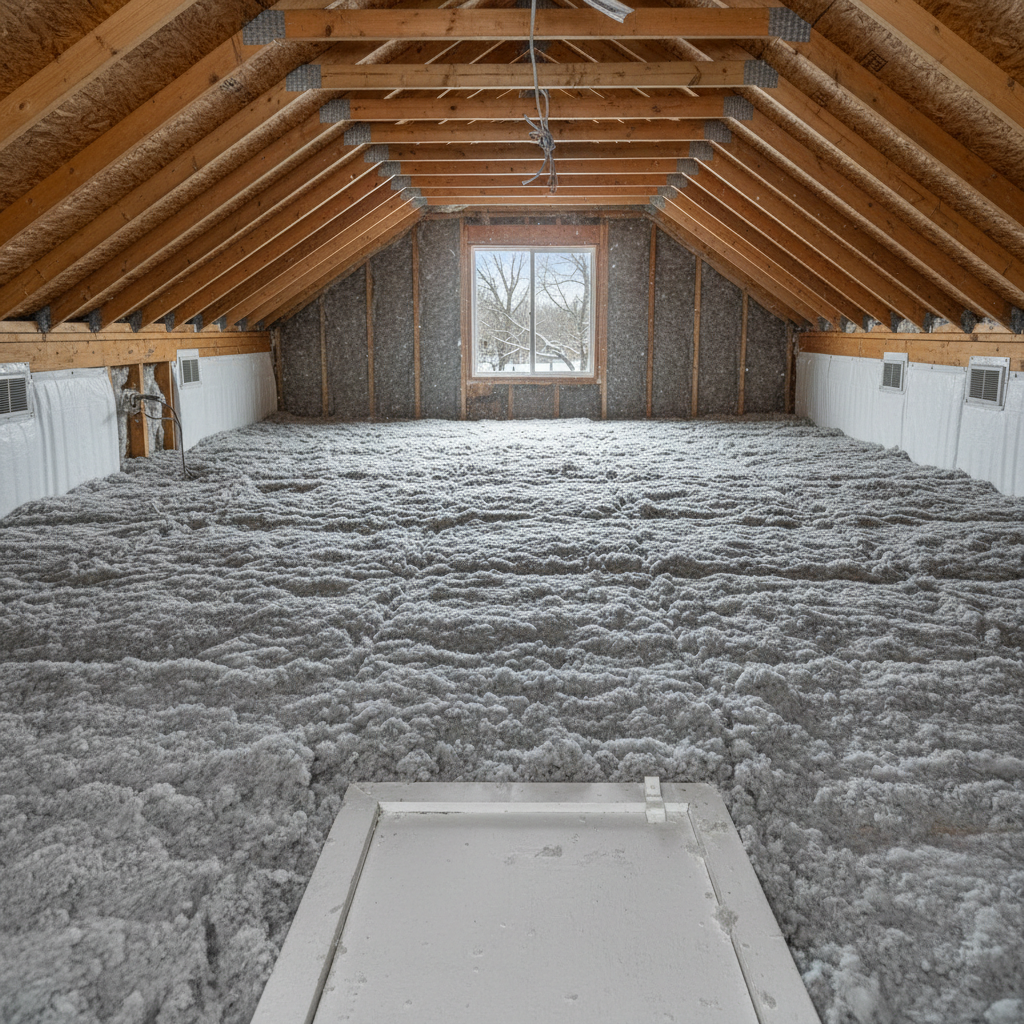
Alright, let's talk blown-in insulation. It's a fantastic upgrade for a lot of homes, especially older ones around Wheaton with those drafty attics. You're looking to save on energy bills, make your place more comfortable, and generally just smarten up your home. Good for you. But I've seen enough projects go sideways, enough homeowners regret their choices, to know there are some big pitfalls out there. As someone who's been doing this for years with Elite Insulation Company, I want to give you the straight scoop on what to watch out for.
Mistake #1: Focusing Only on the R-Value Number
This is a classic. Everyone knows R-value is important, right? It's the measure of thermal resistance. Higher R-value, better insulation. Simple. Except it's not always that simple. Homeowners get fixated on hitting a certain R-value, say R-49 or R-60, which is great, but they forget about the system. You can blow in R-60 worth of cellulose, but if your attic hatch isn't sealed, or your recessed lights are leaking air like crazy, or you've got gaps around your plumbing stacks, you're just throwing money out the window. It's like putting a super-efficient engine in a car with a hole in the gas tank. You need to seal up those air leaks before you blow in the insulation. Any good contractor will tell you this and offer to do it. If they just want to dump insulation in and run, that's a red flag.
Mistake #2: Not Addressing Ventilation
This one can cause real headaches down the road. Especially here in the Midwest, with our wild temperature swings and those humid summers, proper attic ventilation is critical. You've got soffit vents, ridge vents, gable vents – they all work together to create airflow, which helps prevent moisture buildup and keeps your roof deck cooler. If you blow in a ton of insulation and block your soffit vents, you're asking for trouble. You'll trap heat and moisture, which can lead to mold, mildew, and even damage your roof sheathing. We always install baffles at the eaves to ensure that airflow path stays clear. If a contractor doesn't even bring up ventilation, or just shrugs it off, be wary. It’s a sign they might not be thinking about the long-term health of your home.
Mistake #3: Ignoring Existing Insulation (or Not Removing It When Necessary)
Sometimes, you can just add new blown-in insulation right on top of what's already there. It's often the most cost-effective solution. But sometimes, you absolutely shouldn't. If your existing insulation is wet, moldy, or infested with pests (I've seen some nasty stuff in older homes around the College Avenue area), you need to get it out of there first. Just burying the problem under a fresh layer of insulation won't make it go away; it'll just make it harder to deal with later. A good contractor will inspect your attic thoroughly and advise you honestly on whether removal is necessary. Don't let someone talk you into just covering up a problem because it's cheaper for them.
Mistake #4: Skipping the Prep Work
This goes hand-in-hand with air sealing, but it's more than that. Before any insulation gets blown in, the attic floor needs to be prepped. That means making sure all electrical junction boxes are accessible and not buried. It means installing insulation dams around attic access points so the insulation doesn't spill out every time you open the hatch. It means creating walkways if you need regular access to HVAC units or other equipment. And it means installing rulers or depth gauges so you can actually verify the depth of the insulation. These little details might seem minor, but they make a huge difference in the quality and longevity of the job. If a crew just shows up with a hose and starts blowing, they're probably cutting corners.
Mistake #5: Not Getting Multiple, Detailed Quotes
I get it, you're busy. You want to get the job done. But rushing into the first quote you get is a rookie mistake. You need to get at least three quotes, and they need to be detailed. Don't just ask for a price per square foot. Ask about the R-value they're targeting, the type of insulation (cellulose or fiberglass), whether air sealing is included, how they'll handle ventilation, what kind of warranty they offer, and if they're licensed and insured. A good quote from a company like Elite Insulation Company will break down all these components so you can compare apples to apples. If a quote is just a single number on a napkin, walk away. You're not just buying insulation; you're buying peace of mind and energy savings for years to come. Make sure you're getting it right.
Look, blown-in insulation is one of the best investments you can make in your home. Just make sure you're doing it smart. Ask questions, understand the process, and don't be afraid to push back if something doesn't sound right. Your home (and your wallet) will thank you for it.