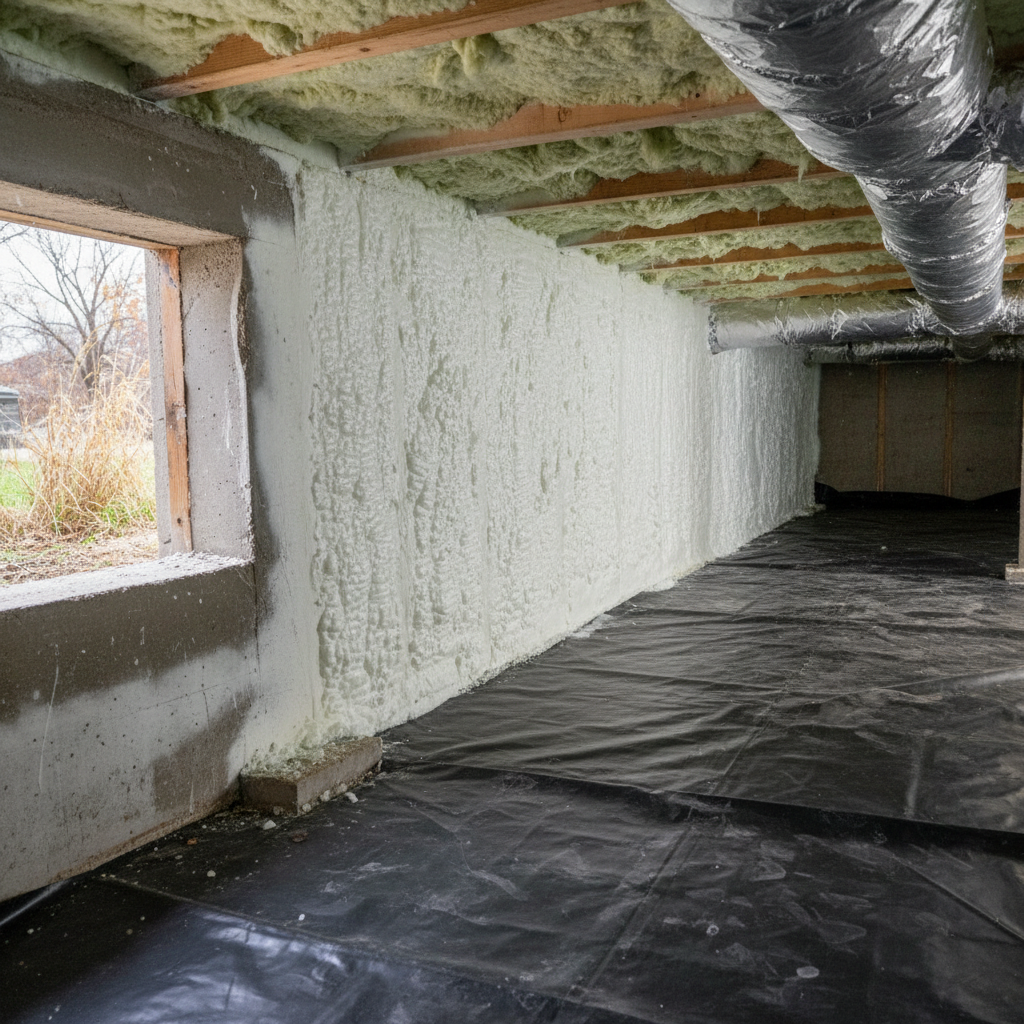
Alright, let's talk crawl spaces for a minute. Most folks don't give 'em much thought, do they? Not until they're freezing their toes off in winter or sweating through summer, anyway. But a crawl space that's insulated correctly? That's a real game-changer for how comfy your home feels and, let's be honest, for your energy bills. So, what can you actually tackle yourself, and when is it smarter to just pick up the phone and call someone like us?
Before You Start: Plan Smart, Stay Safe
Before you even think about crawling under there, you've got to do some prep work. First off, safety. Crawl spaces are not fun places. They can be damp, dusty, full of critters, and sometimes, frankly, dangerous. Always wear a good respirator, gloves, long sleeves, and eye protection. A headlamp is non-negotiable, trust me. You'll also want a sturdy, thick tarp to lay on.
Next, you need to figure out what kind of crawl space you're dealing with. Is it vented to the outside? Or is it sealed and conditioned? This makes a huge difference in how you should insulate. Most older homes around Wheaton, especially those built before the 80s in areas like the Briarcliffe neighborhood, have vented crawl spaces. That means you've got vents letting in outside air, which can be a real problem for moisture and temperature control.
You also need to address any moisture issues. Insulation won't do squat if it's soaking wet. Check for leaky pipes, standing water, or damp soil. If you've got a moisture problem, you simply have to fix that first. That might mean adding a vapor barrier (a thick plastic sheet) over the dirt floor. This is a DIY job you can definitely tackle. Roll out 6-mil or thicker polyethylene sheeting, overlap seams by at least 12 inches, and tape them down. Run it up the foundation walls a few inches and seal it there too. It's not glamorous work, but it's crucial.
DIY Insulation: What You Can Actually Do
If your crawl space is relatively clean, dry, and easy to access, there are a few things you can do yourself. This is especially true if you're dealing with a vented crawl space and focusing on insulating the subfloor.
- Insulating the Floor Joists (Above the Crawl Space): This is probably the most common DIY crawl space insulation project. You'll be putting insulation between the floor joists directly under your living space. Fiberglass batts are usually the go-to here. You want unfaced batts, or if they have a paper facing, make sure it faces the heated living space above. Cut them to fit snugly between the joists. The trick is to keep them from falling out. You can use insulation supports (those little wire hangers) or even pieces of netting stapled to the joists. Don't compress the insulation; it needs its fluff to work properly.
- Sealing Air Leaks: Before you put up any insulation, grab a can of expanding foam sealant. Look for gaps and cracks where pipes or wires penetrate the subfloor or foundation walls. Seal 'em up! This is a cheap and effective DIY step that makes a big difference.
Remember, if you're doing this yourself, make sure you're not blocking any vents for appliances like furnaces or water heaters. Carbon monoxide is no joke, folks.
When to Call a Pro: It's Often Worth It
Now, there are plenty of times when trying to DIY crawl space insulation is just not worth the headache, or frankly, it's beyond what most homeowners should attempt. This is where Elite Insulation Company comes in handy.
- Encapsulation or Sealing a Vented Crawl Space: If you want to convert your vented crawl space into a sealed, conditioned space, that's a professional job. This involves sealing all the vents, insulating the foundation walls instead of the subfloor, and often installing a dehumidifier. It's a more complex system that requires specific materials and expertise to get right. Trying to do this yourself can lead to serious moisture problems, mold, and even structural damage if not done correctly.
- Spray Foam Insulation: Closed-cell spray foam is fantastic for crawl spaces because it acts as both an insulator and an air/vapor barrier. But it's not a DIY product. It requires specialized equipment, training, and safety gear. You really don't want to mess around with two-part chemical foams without knowing exactly what you're doing.
- Difficult Access or Existing Problems: If your crawl space is super tight, full of debris, or you've got serious moisture or pest issues, just call a pro. We've got the gear, the experience, and frankly, the willingness to deal with those less-than-pleasant conditions. Plus, we can spot problems you might miss.
- Mold or Pests: If you find mold, significant water damage, or signs of a pest infestation (rodents, insects), you need to address those issues professionally before any insulation goes in. Insulating over mold just traps it, and insulating with pests still present means they'll just make a cozy home in your new insulation.
Look, a lot of folks in Wheaton deal with damp crawl spaces, especially after a wet spring or a heavy summer storm. Getting it right the first time saves you a ton of grief and money down the road. If you're unsure, or if the job looks bigger than you can handle, don't hesitate to reach out. We're here to help you make your home more comfortable and efficient.