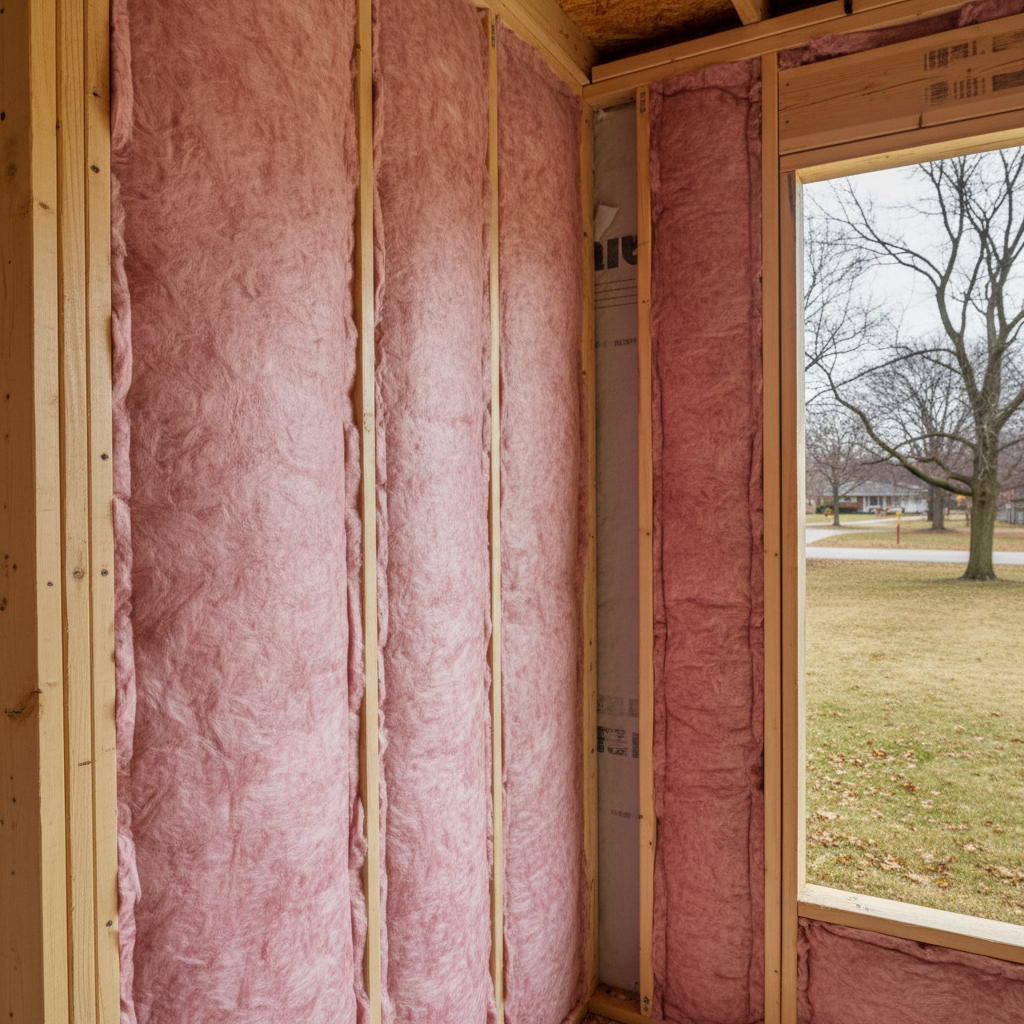
Thinking About DIY Batt Insulation?
So, you're looking at your energy bills and thinking, 'Hey, maybe I can tackle some of this insulation myself.' Batt insulation seems pretty straightforward, right? Rolls of fiberglass or mineral wool, cut to fit, staple them in. In some cases, you absolutely can do it. But before you buy a single roll, let's talk about what's involved, what you can realistically handle, and when it's just smarter to call in a pro like us at Elite Insulation Company.
Before You Start: The Prep Work Is Crucial
You can't just slap new insulation over old problems. That's a recipe for disaster and wasted money. Here's what you need to check first:
- Know Your R-Value: This is huge. R-value measures thermal resistance. The higher the R-value, the better the insulation. For attics in Wheaton, you're looking at R-49 to R-60. Walls are usually R-13 to R-21 depending on stud depth. Don't just guess; check your local building codes or the Department of Energy's recommendations for our climate zone.
- Seal Air Leaks First: This is probably the most overlooked step. Insulation slows heat transfer, but it doesn't stop air movement. If you've got gaps and cracks around pipes, electrical wires, or where walls meet the ceiling, you're losing conditioned air. Grab some caulk or expanding foam and seal those up. This alone can make a huge difference in your home's efficiency.
- Check for Moisture: Any signs of water stains, mold, or dampness? Stop right there. You absolutely cannot insulate over moisture issues. You'll just trap it, leading to rot, mold, and bigger structural problems. Find the source, fix it, and make sure everything is bone dry before you even think about insulation.
- Clear the Space: Whether it's an attic, a basement, or an open wall cavity, you need a clean, clear workspace. Remove any debris, old insulation if it's damaged or moldy, and make sure you have solid footing.
During Installation: Getting It Right
Okay, you've prepped. Now for the actual installation. This is where attention to detail really pays off.
- Safety First: Seriously, don't skimp here. You'll need a good quality respirator (N95 or better), gloves, long sleeves, long pants, and eye protection. Fiberglass fibers are itchy and irritating. Trust me, you don't want them in your lungs or eyes.
- Measure and Cut Precisely: Batt insulation comes in standard widths (16 or 24 inches) to fit between studs or joists. But you'll have odd-sized gaps, especially around windows, doors, and framing. Cut your batts to fit snugly, but don't compress them. Compression reduces the R-value. Use a sharp utility knife and a straight edge.
- Fill Cavities Completely: Every cavity needs to be filled. No gaps, no voids. This is where a lot of DIYers mess up. Even a small uninsulated spot can create a cold bridge and negate some of your hard work.
- Vapor Barrier Placement: This is critical, especially in our humid Illinois summers and cold winters. The vapor barrier (usually the paper or foil facing on one side of the batt) generally faces the heated side of the living space. So, in walls, it faces inwards. In attics, it faces downwards towards the ceiling. If you're adding a second layer in an attic, use unfaced batts for the top layer. You don't want to create a double vapor barrier, which can trap moisture.
- Working Around Obstacles: Don't push insulation tightly around recessed lighting, exhaust fans, or electrical boxes. Leave appropriate clearances as specified by the product manufacturer and local fire codes. You can use insulation dams or specialized covers for recessed lights.
After the Job: What to Expect and When to Call a Pro
Once you've got all the batts in place, clean up thoroughly. You should notice an immediate difference in comfort and perhaps even a slight drop in your energy bills. Keep an eye on those bills over the next few months to see the real impact.
Now, when should you just skip the DIY and call someone like Elite Insulation Company? Honestly, a lot of the time. Here's why:
- Attics with Existing Insulation: If you're trying to add insulation to an attic that already has some, especially if it's uneven, old, or has weird angles, it's tough to get a consistent R-value with batts. Blown-in insulation is often a better, more uniform solution here.
- Hard-to-Reach Areas: Crawl spaces, tight knee walls, or attics with minimal head room are a nightmare for batt installation. You can't get good coverage if you can't move around.
- Major Renovations: If you're gutting walls or doing a big addition, that's a perfect time for a professional to come in. We can often get better deals on materials and have the specialized tools to do it faster and more effectively.
- You're Not Confident: If you're feeling overwhelmed or unsure about any of the steps, particularly air sealing or vapor barrier placement, don't risk it. A poorly insulated home is almost as bad as an uninsulated one when it comes to energy waste and potential moisture issues.
- Specific Wheaton Challenges: We see a lot of older homes in areas like the North Side with balloon framing or unique construction. These can have tricky air leakage paths that a standard batt installation might miss. Plus, our clay soils here can sometimes contribute to basement moisture issues that need to be addressed before any insulation goes in.
Look, I'm all for homeowners saving a buck where they can. But insulation is one of those things where getting it wrong can cost you more in the long run. If you're just doing a small, accessible area and you're meticulous, go for it. For anything more complex, give us a call. We're here to help Wheaton homeowners get comfortable and save money, no matter the project.