Why bother insulating my garage if it's not a living space?
That's a question I hear a lot, and it's a good one, too. Many folks think of the garage as just a spot for cars and storage, but it's actually a huge part of your home's thermal envelope. Even if you don't spend much time out there, an uninsulated garage acts like a giant heat magnet in the summer and a cold box in the winter. Those extreme temperatures push right up against your house, especially if you've got a room above the garage or an adjacent wall. This makes your HVAC system work harder, driving up your energy bills. Plus, if you're using it for a workshop, a home gym, or even just storing temperature-sensitive items, insulation makes a world of difference.
What's the best type of insulation for garage walls and ceilings?
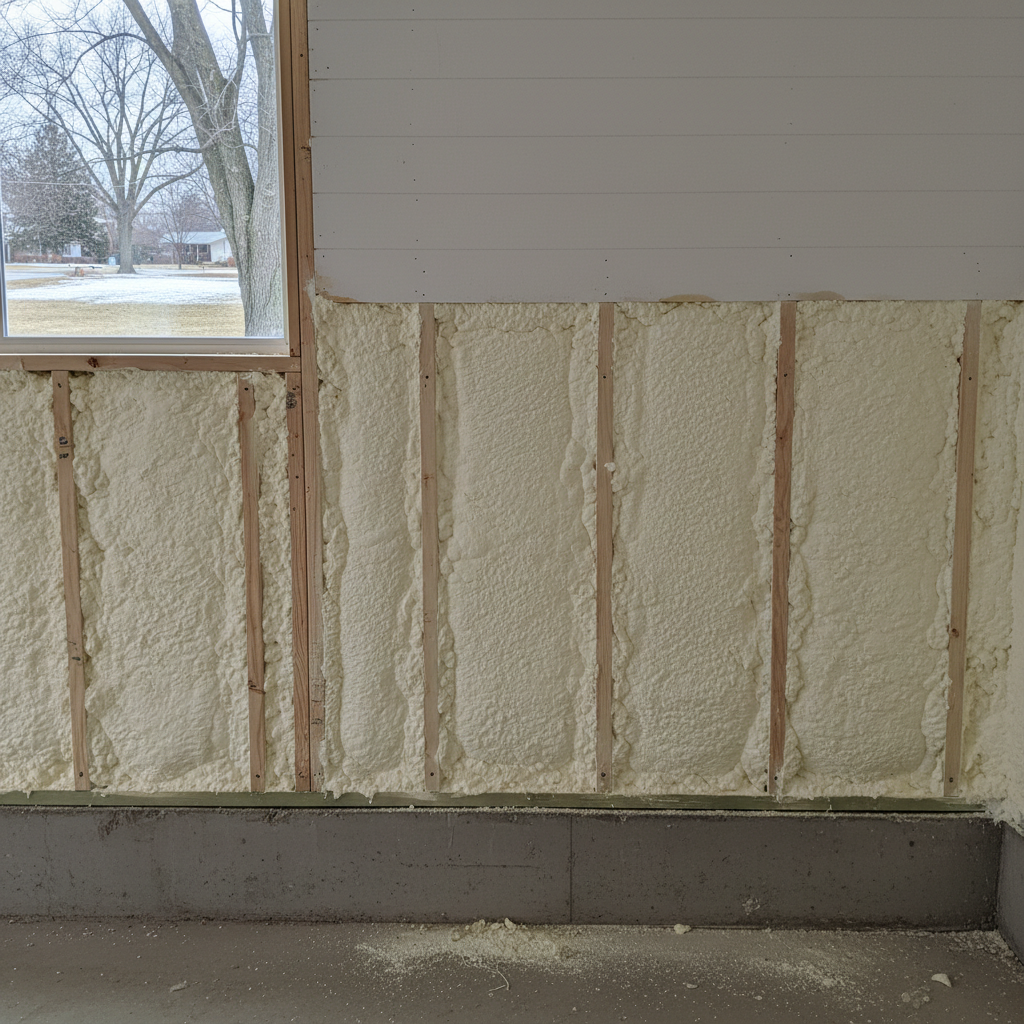
For walls, you've got a few solid options. Fiberglass batts are common and pretty affordable, especially if the walls are already open. You'll want to make sure they're fitted properly, with no gaps or compression, and covered with a vapor barrier if needed, then drywall. For a more robust solution, especially if you're looking for better air sealing and R-value, closed-cell spray foam is fantastic. It fills every void, adds structural rigidity, and creates an excellent thermal barrier. It's more expensive upfront, sure, but the performance is top-notch. For ceilings, particularly if there's an occupied space above, you're looking at similar options. Spray foam again offers the best performance, but blown-in cellulose or fiberglass can work well too, especially if you're just trying to keep the heat out of the attic space above the garage.
Do I need to insulate my garage door too?
Absolutely, yes! A well-insulated garage with an uninsulated door is like wearing a winter coat but leaving your front door wide open. Garage doors are huge, often metal, and a massive source of heat transfer. You can buy pre-insulated doors, which are the best option if you're replacing yours. If you have an existing door, you can add insulation panels. There are DIY kits available, usually rigid foam boards that fit into the door's sections. It's not as effective as a factory-insulated door, but it's a significant improvement. Just make sure the added weight doesn't mess with your garage door opener or springs; you might need to adjust them.
What R-value should I aim for in my Wheaton garage?
Here in Wheaton, we get some pretty wild temperature swings, from humid 90-degree summers to brutal sub-zero winters. Our building codes for residential walls typically call for R-15 or R-20 in 2x4 and 2x6 construction, respectively. For your garage walls, if you're finishing it out and want it comfortable, I'd aim for at least R-13 in 2x4 walls and R-19 in 2x6 walls. For the ceiling, especially if there's a conditioned space above, you want to match or exceed your home's attic insulation, so R-38 to R-49 is a good target. If it's just an unheated attic space above, R-30 is a decent minimum. The higher the R-value, the better the thermal performance, but past a certain point, you start seeing diminishing returns. It's about finding that sweet spot for your budget and comfort goals.
How much does garage insulation typically cost in the Wheaton area?
This is tough to give a precise number without seeing the job, but I can give you a ballpark. For fiberglass batts in an average two-car garage, you might be looking at anywhere from $800 to $2,000 for materials and installation, depending on wall height and ceiling access. Spray foam is usually more, often $2,500 to $5,000 or more for a similar size, but it delivers superior performance. Garage door insulation kits are usually a few hundred bucks if you DIY. Professional installation of door insulation can add to that. These are just estimates, of course. At Elite Insulation Company, we always provide a detailed, no-surprise quote after a site visit. Factors like existing drywall removal, air sealing needs, and the specific R-value you're targeting all play a role.
Will insulating my garage help with noise reduction?
You bet it will. Insulation, especially denser materials like fiberglass or spray foam, does a pretty good job of absorbing sound. If you've got a noisy workshop, or maybe your kids are using the garage as a practice space for their band (bless their hearts), insulation can significantly dampen the sound both inside and from escaping to the rest of your house or your neighbors. It also helps reduce outside noise from getting in, which is nice if you live near a busy street or have a particularly loud neighbor. It's not soundproofing, which is a whole different beast, but it's a definite improvement.
What about moisture and ventilation in an insulated garage?
This is a critical point, especially around here where we get plenty of humidity and rain. When you insulate, you're sealing things up tighter, which is great for energy efficiency, but it also means you need to be mindful of moisture. Cars bring in snow and rain, and if you're doing projects, you might introduce moisture. You'll want to ensure good air circulation. If you're really buttoning things up, consider a small exhaust fan, especially if you're running gas engines or doing anything that produces fumes. A vapor barrier on the warm-in-winter side of your insulation (the interior side in our climate) is also important to prevent moisture from condensing within the wall cavity. We've seen homes in older Wheaton neighborhoods, especially those with original attached garages, where moisture issues were totally overlooked. It's something we always discuss with our clients.
Can I insulate my garage myself, or should I hire a pro?
For simple batt insulation in open wall cavities, many handy homeowners can tackle it. Just make sure you wear proper PPE – gloves, eye protection, and a good mask – and cut the batts to fit snugly without compressing them. Pay attention to electrical outlets and pipes. However, if you're dealing with spray foam, existing finished walls, or complex ceiling structures, I'd strongly recommend hiring a professional. Spray foam requires specialized equipment and training to apply correctly and safely. Plus, a pro like us at Elite Insulation Company knows all the tricks for air sealing and dealing with those tricky spots that DIYers often miss. We'll make sure it's done right, lasts, and performs as it should.