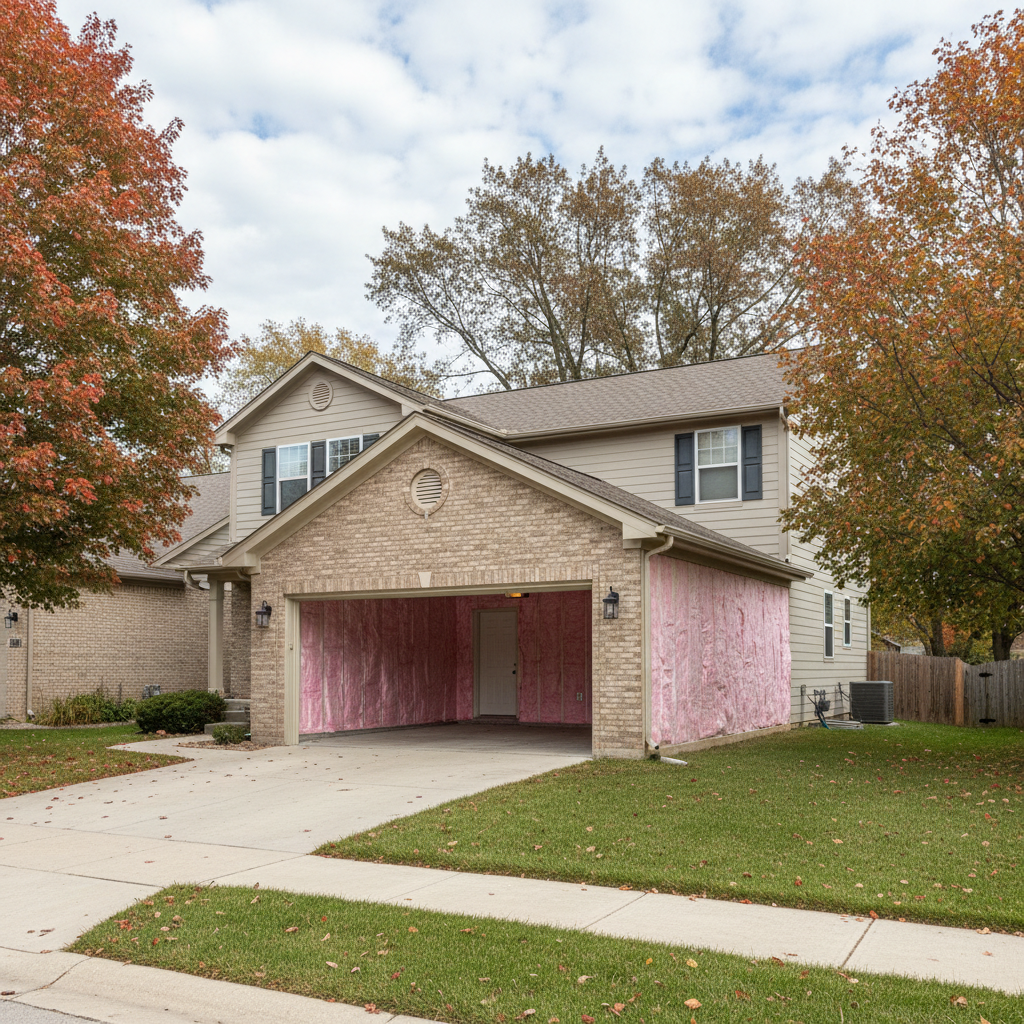
You ever walk into your garage in January here in Wheaton and feel like you just stepped into a freezer? Or in August, like an oven? It's not just uncomfortable; it's costing you money and making your home less efficient overall. A lot of folks think garage insulation is just about comfort, but I'm here to tell you it's way more than that, especially with our Midwest weather.
Your Garage Isn't Just a Box Anymore
For many of us, the garage isn't just a place to park the car. It's a workshop, a home gym, a storage area for sensitive items, or even a transition zone for pets. I've seen plenty of homes in areas like Briarcliffe or near the college where people have finished basements, but the garage is still an afterthought. When that garage isn't properly insulated, all that extreme temperature bleeds into your house, making your HVAC system work harder than it needs to.
Think about it: if you've got a room above your garage, or an adjoining wall to your living space, that uninsulated garage is a giant thermal hole. Your furnace or AC is constantly fighting against that cold or heat seeping in. That's a battle it's going to lose, and you're going to pay for it on your utility bills.
What We're Up Against in Wheaton
Our weather here in Wheaton isn't exactly mild. We get those brutal cold snaps in winter, often dipping into single digits or below zero, and then scorching, humid summers in the 90s. The temperature swings are no joke. An uninsulated garage door or walls are just letting all that extreme weather right in.
I've also noticed over the years that many of the homes built in the 70s and 80s around here, especially those with attached garages, often have minimal to no insulation in the garage walls or ceiling. Sometimes there's a thin batt, but it's often poorly installed, compressed, or just not enough for today's standards. Even newer homes might skimp on garage insulation to cut costs, which is a mistake in the long run.
The Benefits Go Beyond Comfort
- Lower Energy Bills: This is probably the most obvious one. By creating a thermal barrier, your home's main living spaces stay more consistent, reducing the load on your furnace and AC. You'll see the difference on your monthly statements.
- Protect Your Belongings: Got paint, tools, or even canned goods stored in the garage? Extreme temperatures can ruin them. Paint freezes and separates, tools rust, and food spoils. Insulation helps maintain a more stable environment.
- Quieter Home: Insulation isn't just for temperature; it's a sound barrier too. If your garage is next to a busy street or you've got noisy hobbies in there, insulation can significantly reduce sound transfer to your main living areas.
- Increased Home Value: A well-insulated home is a more attractive home to buyers. It's an upgrade that pays for itself in comfort, efficiency, and resale value.
- Better Air Quality: If your garage is attached, an unsealed and uninsulated garage can allow exhaust fumes or other odors to seep into your home. Proper insulation and air sealing can mitigate this.
What Kind of Insulation Works Best?
When it comes to garage insulation, it's not a one-size-fits-all deal. You've got options, and the best choice depends on your specific garage, what you use it for, and your budget.
For garage doors, we often recommend rigid foam panels. They're lightweight, easy to install, and provide a good R-value without adding too much bulk or weight to the door mechanism. You want something that won't absorb moisture and can withstand the constant movement.
For walls and ceilings, you might consider:
- Fiberglass Batts: A common and cost-effective option. They work well when installed correctly, filling cavities completely without compression.
- Blown-in Cellulose or Fiberglass: Great for irregular spaces or if you're trying to insulate existing walls without tearing everything out. It fills all the nooks and crannies, providing a seamless thermal barrier.
- Spray Foam: This is the Cadillac of insulation. It creates an incredible air seal and R-value, making it super efficient. It's more of an investment upfront but can offer the best long-term performance, especially in a space you plan to heat or cool regularly.
The key is making sure whatever you choose is installed correctly. Gaps, compression, or improper sealing will negate much of the insulation's benefit. That's where local expertise comes in. We know the building codes here, the common construction styles in Wheaton, and what works best for our climate.
Why Local Expertise Matters
You can find plenty of national chains that'll tell you they can insulate your garage. But do they know about the specific challenges of homes built on clay soil that can lead to foundation shifts affecting wall cavities? Do they understand the specific demands of our freeze-thaw cycles on building materials?
As Elite Insulation Company, we've been working on homes right here in Wheaton and the surrounding suburbs for years. We've seen it all, from the older brick homes downtown to the newer developments on the west side. We know what kind of insulation holds up best against our unpredictable weather and what solutions make the most sense for your specific type of garage construction.
Don't just slap some insulation up there. Get it done right. It's an investment in your home's comfort, efficiency, and longevity. Give us a call, and we can take a look at your garage and give you an honest assessment of what'll work best for your place.